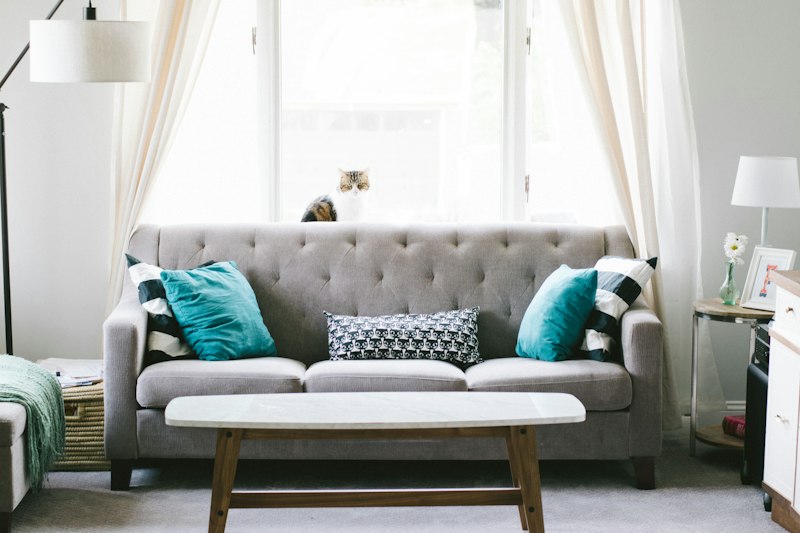
The most sustainable purchase you can make is one you never have to repeat. Yet the homeware market is full of products designed to look good in photos and fall apart within two years. Here is how to buy better.
Prioritise Material Quality Over Finish
A beautifully finished piece of low-density particleboard is still particleboard. A plainly finished piece of solid oak or FSC-certified ply will outlast it by decades. Learn to distinguish real wood from wood-effect finishes, real linen from polyester blends, and real ceramic from resin fakes.
Buy Classic, Not Trendy
The homewares industry runs on trends because trends create repeat purchases. Investing in classic forms — a simple linen sofa, a round oak dining table, a white ceramic vase — means your pieces won't look dated in three years. Introduce trend through low-cost, easily replaceable items like cushion covers and throws.
Ask Where and How It Was Made
Brands that are genuinely committed to sustainable production are proud of their supply chains and transparent about them. If a product page has no information about where or how something was made, that absence is usually informative.
Calculate Cost Per Year
A $400 dining chair that lasts 20 years costs $20 per year. A $150 chair that needs replacing every four years costs $37.50 per year and ends up in landfill five times. The maths of quality almost always wins over the lifespan of the product.
Ready to Work With Storefront?
Get in touch today for a free, no-obligation consultation.
Contact Us →